Letters from Tokyo #2: When Tokyo Quietly Became Home
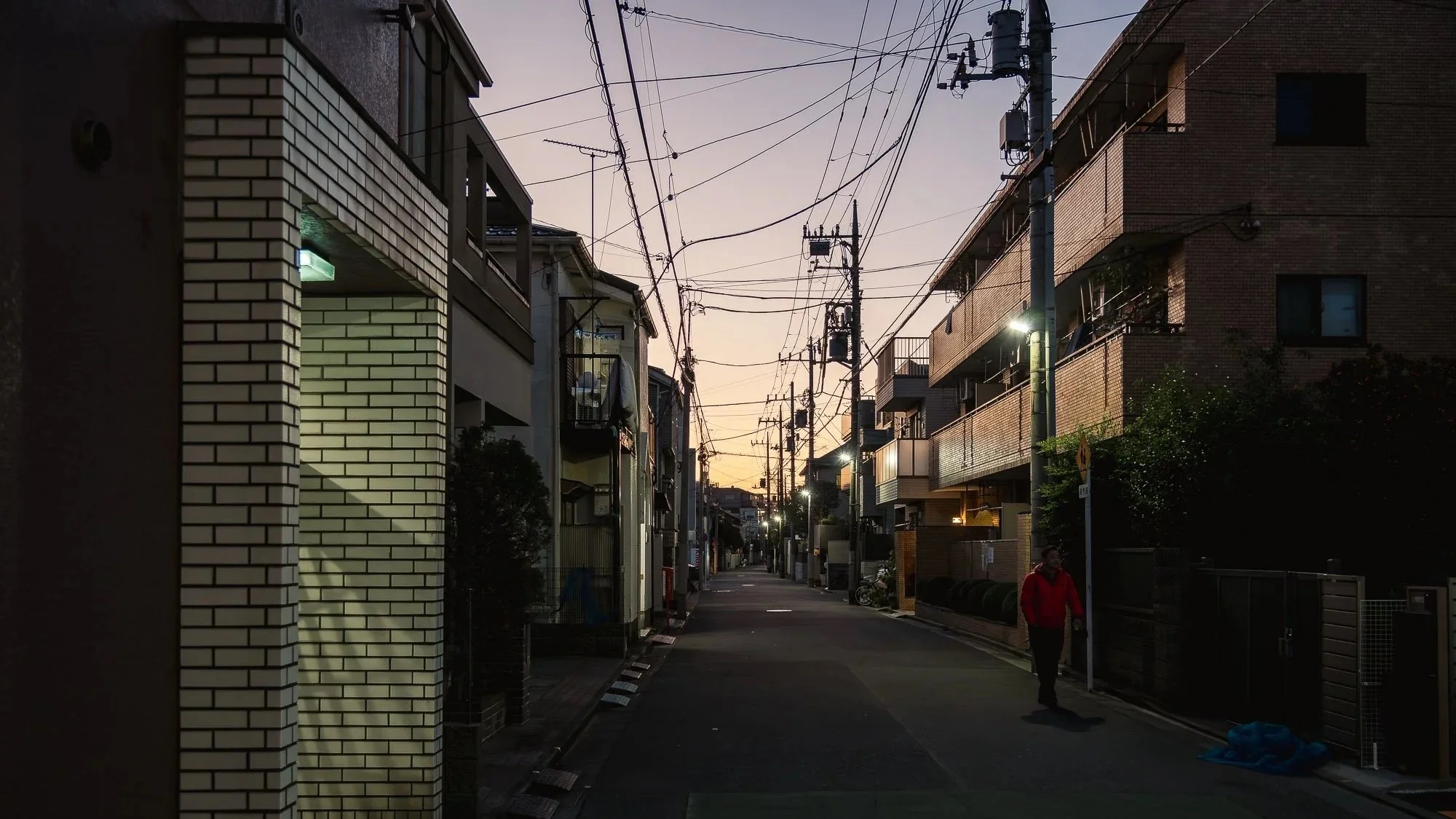
Beyond the tourist hubbub, Tokyo’s neighbourhoods are home for millions, and eventually for me.
I couldn’t tell you the exact moment Tokyo became home.
Maybe it was when I upgraded my living quarters and moved into a high-rise condominium in Ikebukuro. Perhaps it was when Ayako and I got married. It might even have been when my parents moved away from London, my childhood home, and so going back no longer meant what it used to. Or perhaps it was political — Brexit certainly pushed a few things into perspective.
Whenever it happened, there was no ceremony, no milestone, no neat line between the life I thought was temporary and the one that had so very quietly become permanent.
In the beginning, everything felt temporary. Every train ride. Every class I taught. Every apartment with thin walls and a balcony just big enough for a washing machine.
I kept my London life in a kind of emotional storage, convinced I’d return to it unchanged. Naïve? Probably. Sensible? Not particularly — especially for someone who planned to go back and try to pursue life as a full-time trumpet player.
But everyone’s path is different…
And mine had led me here.
The point is, Japan rearranges you in subtle ways.
For me, it started with small rituals that didn’t feel significant at the time: passing the same neighbours each morning on the way to work with a polite, if poorly pronounced, “Ohaiyou Gozsimasu” (good morning); knowing exactly which train cars were less crowded at certain hours or which train cars were closest to the exits; buying the same cup of Earl Grey from the same Starbucks on the walk to work and recognising the cashier who eventually stopped listening to my terrible Japanese and simply prepared my tea.
These weren’t tourist discoveries. They were the quiet routines of someone unconsciously settling in.
And then came the moment that, in hindsight, feels like the turning point.
On a December trip back to “Blighty” in 2014 I experienced my first bout of reverse culture shock, in a Starbucks of all places.
I’d bought a London-themed mug for Ayako, who was collecting them at the time. Instead of wiping it clean, placing it carefully into a fitted box, and wrapping it with the kind of precision you learn to expect in Japan, the cashier simply dropped the bare mug unceremoniously straight into a paper bag and practically tossed it across the counter at me.
I remember standing there, stunned.
“That’s not how you treat a gift,” I thought.
“That’s not how… well, that’s not how things are done at home!”
Yes! Maybe that was the moment Tokyo became home.
That’s not to say I’m no longer British. I will always be British: I still have my British passport and am proud of my heritage.
As the saying goes: you can take the boy out of London, but you can’t take London out of the boy.
I still get a pang of nostalgia whenever I see scenes of the city online, even when see random British TV clips on YouTube.
I felt especially nostalgic a few months ago, when one of the annual Sumo Tournaments was held in the Royal Albert Hall, where I spent five of the happiest working years of my life before moving out to Japan.
It was quite a thrill seeing video footage of the tournament on NHK, and telling anyone who would listen “I used to work there!”
But Britain, and London specifically, is no longer home. I love both deeply and always will. Yet the place I return to — the place where I have built a life these past 22 years — is Tokyo.
And that, I think, is the clearest sign of all that Tokyo has indeed become home.
Sincerely,
Ross Harrison - A Tokyo-based photographer documenting a more authentic Japan beyond posts and postcards.
Letters from Tokyo is a personal writing series reflecting on life lived here.