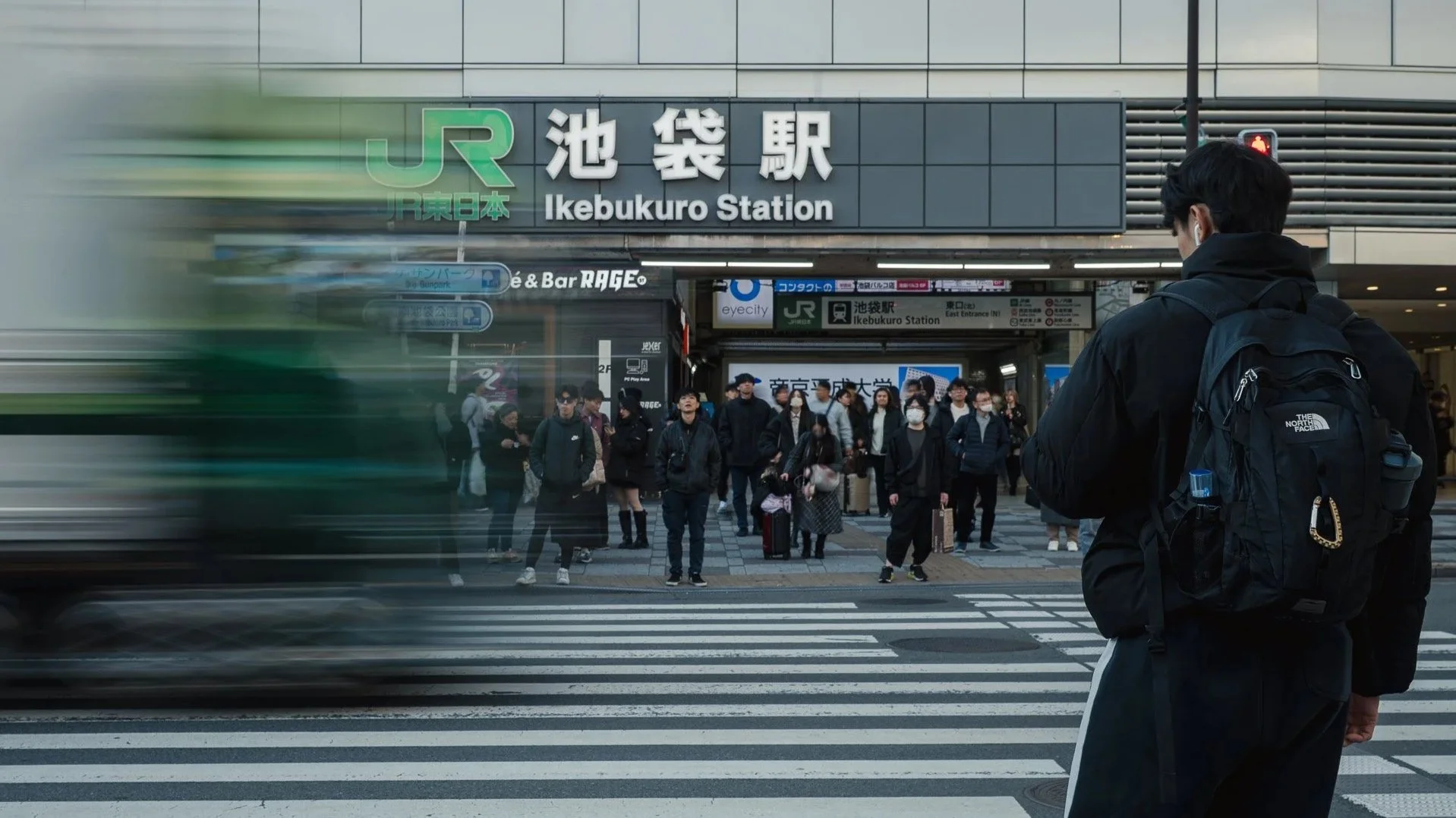
Letters from Tokyo
Personal observations from a life lived here.
I came to Japan in 2003, intending to stay for a year, two at most.
More than two decades later, Tokyo is no longer a place I am passing through. It is where I have built a life, worked, struggled, misunderstood things, slowly understood others, and watched both the city and myself change.
Letters from Tokyo is a series of personal essays drawn from that experience. They are not travel guides, cultural explainers, or attempts to speak for anyone else. They are simply observations from one life lived here over time.
Some of that is quiet.
Some of it is awkward.
All of it is real.
Why Letters From Tokyo?
For a long time, I’ve been wanting to write about my experiences in Japan, but I didn’t know how.
Part of the difficulty was that the longer I stayed, the less simple everything became. In the beginning, Japan was new enough that almost anything could become a story. The unfamiliarity did a lot of the work. Small misunderstandings, cultural surprises, train stations, convenience stores, language mistakes, and the sheer scale of Tokyo all felt significant because I was still trying to find my footing.
But over time, those easy stories stopped working.
Japan was no longer new to me, but it was not exactly familiar either. It had become home, but not in a clean or uncomplicated way. I had routines, memories, favourite places, frustrations, private associations, and years of ordinary life layered over the first impressions I arrived with. The country had changed. Tokyo had changed. I had changed too.
That made it harder to write about, but also more interesting.
These letters are written from that middle ground: from the space between arrival and belonging, affection and frustration, feeling at home and still sometimes feeling outside of things. They are also a way of looking back at the person I was when I came here, and trying to understand the person I have slowly become.
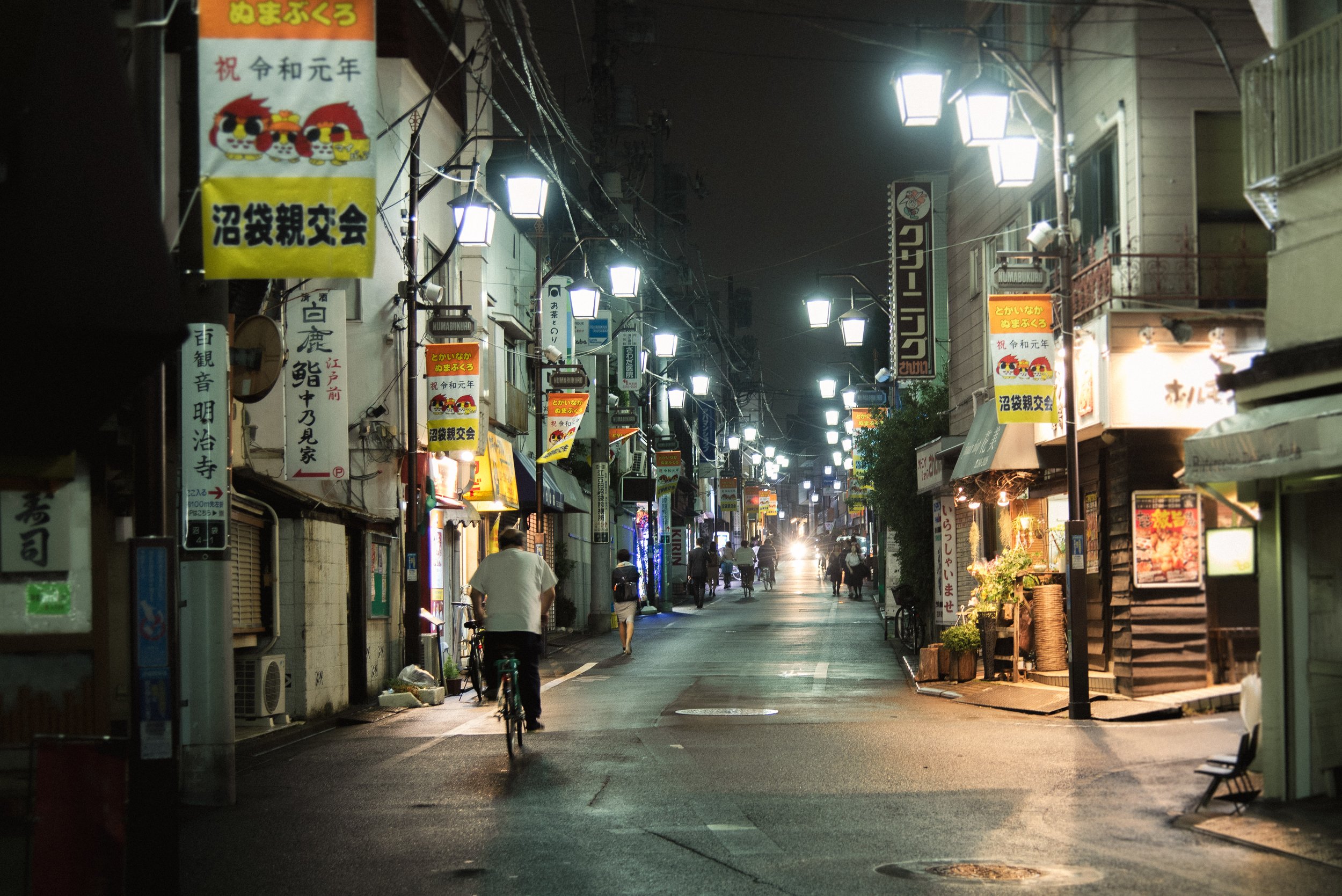
How does this connect to my photography?
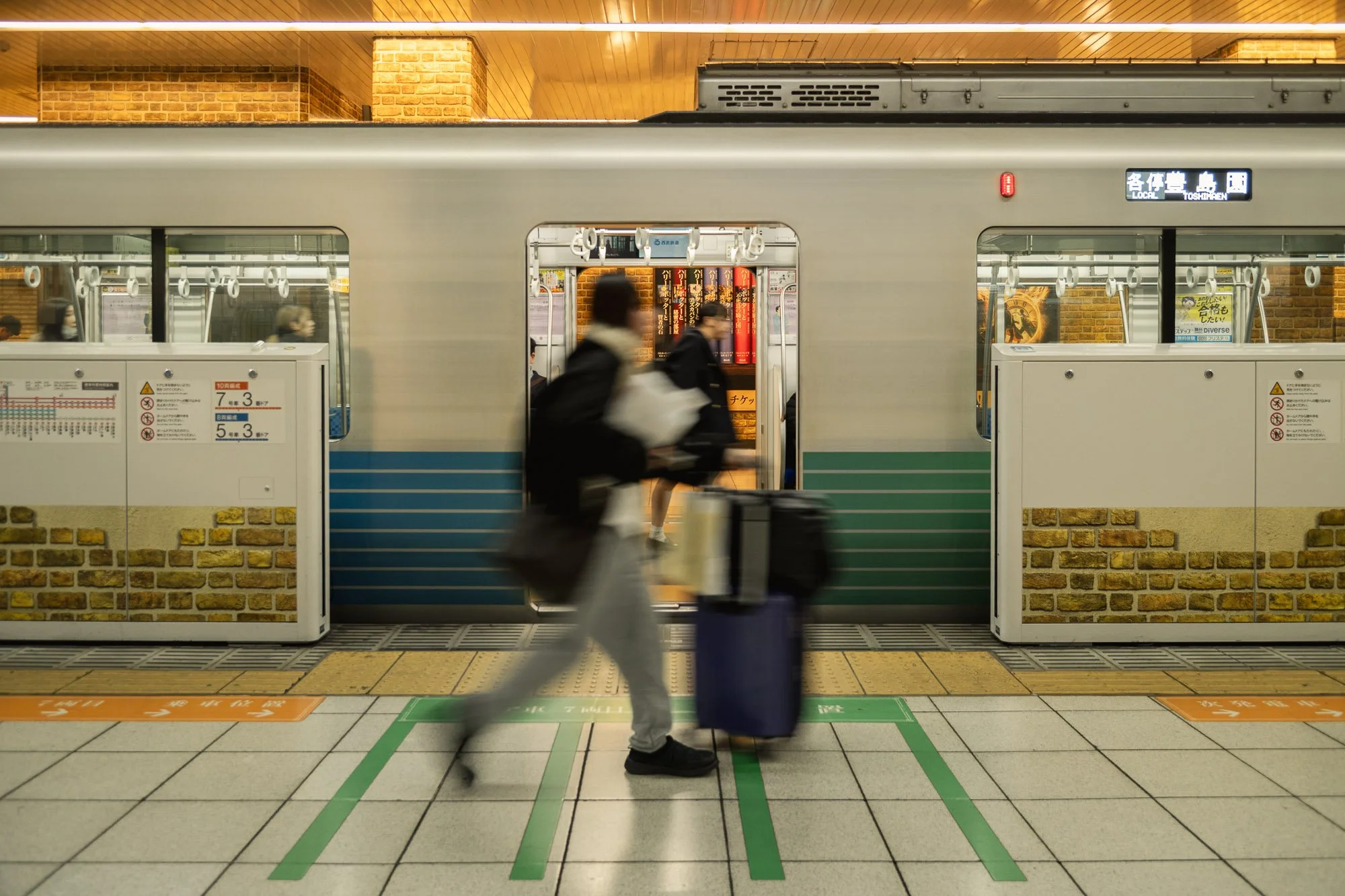
My photography and these letters come from the same place.
I am interested in atmosphere, timing, small gestures, and the emotional weight of ordinary places. Whether I am photographing a couple in Tokyo or writing about a memory from my early years here, I am usually looking for the same thing: the moment when a place stops being the backdrop and starts actually to hold meaning.
That might be a quiet street at the end of a long day, the way someone pauses before stepping into a ceremony, or the memory of a station I used to pass through when I was still trying to find my bearings. In both photography and writing, I am drawn to the details that are easy to miss at the time but stay with you afterwards.
The letters are not an extension of my photography work in a direct or promotional sense. But they do explain something about how I see: slowly, personally, and with an interest in the connection between people, memory, and place. The writing stands on its own; the photography does too; one informs the other.
If you’ve lived in Japan
Some of this will feel familiar and some of it may not match your experience at all. That’s fine. These letters aren’t written to speak for anyone else who has lived here - long-term or otherwise. They simply reflect one life, observed from one position - mine - over time. Agreement isn’t assumed, and recognition isn’t guaranteed.
Recent Letters
New letters are added gradually. Some are about Japan. Others are about memory, identity, work, language, grief, photography, and the long process of building a life somewhere far from where you began.
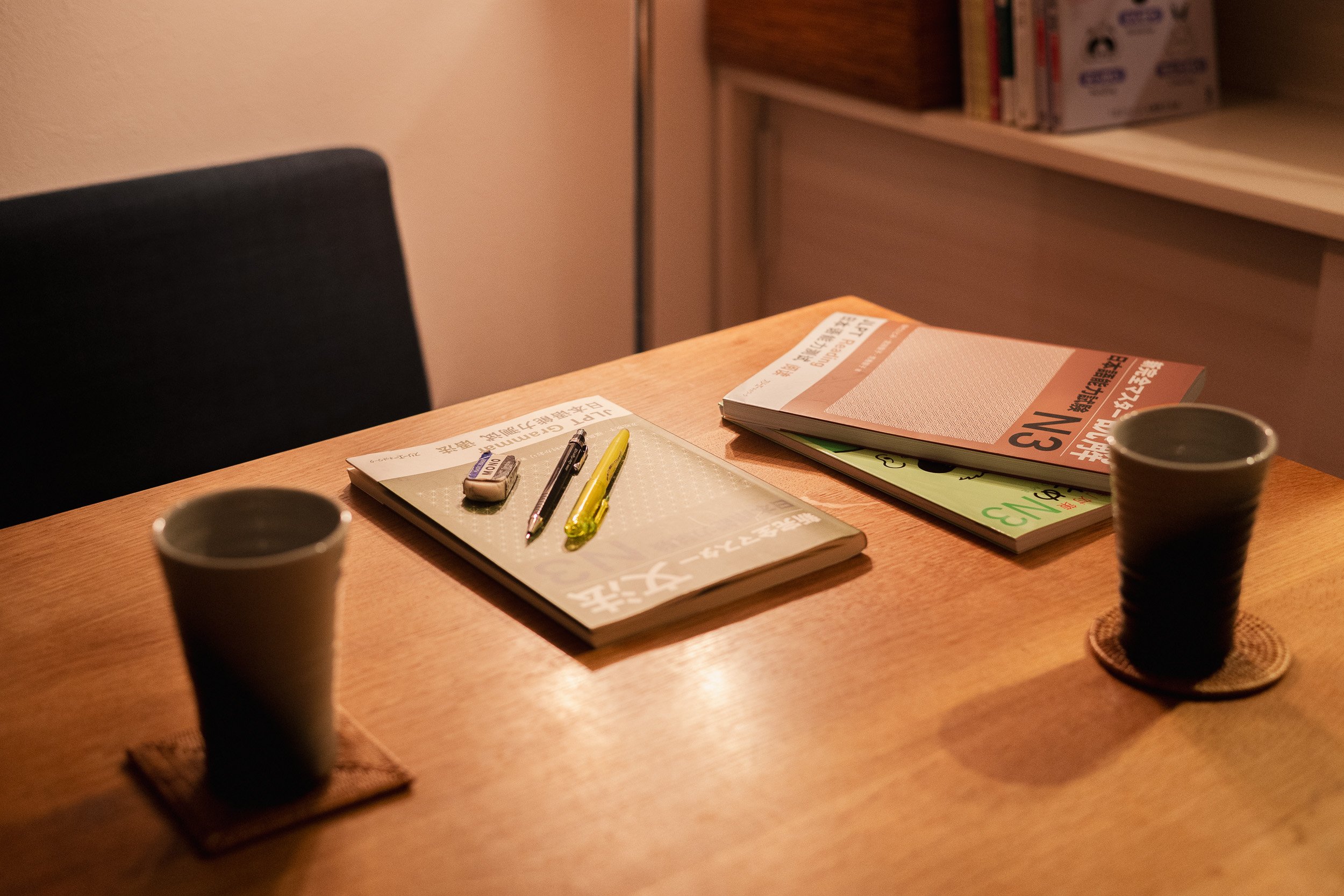
If you are here for the letters, they offer a more personal view of Japan than what is usually found online.
If you are here for the photography, these letters may help you understand how I see and experience Tokyo.
Letters from Tokyo is written by Ross Harrison — a Tokyo-based photographer working with couples who want to experience Japan quietly and authentically.
View my photography → Portfolio
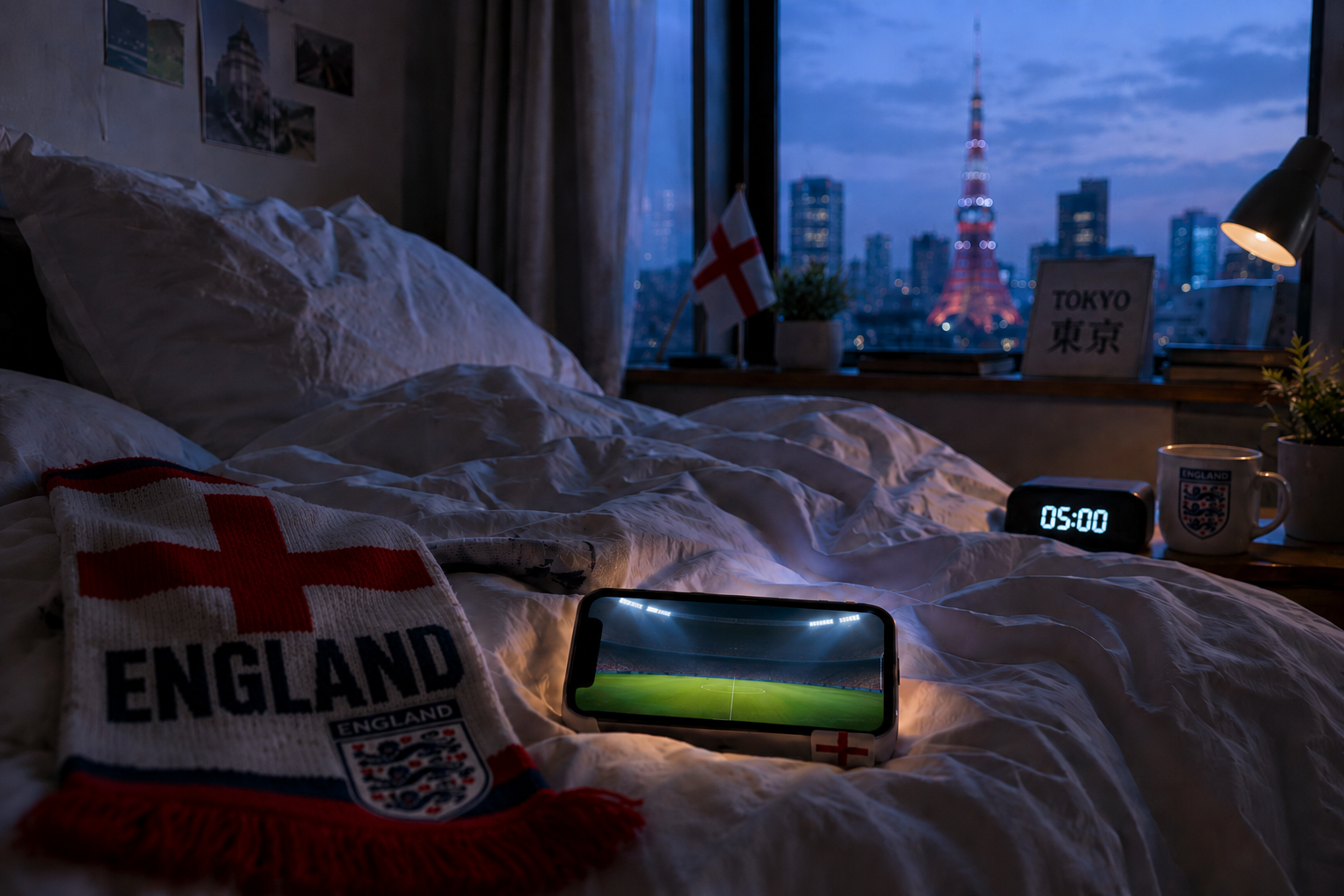
When I moved to Japan in 2003, staying in touch with home meant international phone cards and weekly visits to an internet café. Twenty-three years later, I wonder whether constant connection has changed the experience of culture shock.