5 Low-Impact Tokyo Locations for Respectful, Stress-Free Photography
A photographer’s guide to capturing Tokyo beautifully — without adding to “over-tourism”
Tokyo is an incredible place to photograph — electric, peaceful, modern, ancient. But in recent years, something has shifted. As tourism has surged, so has resident frustration with photographers, influencers, and visitors who sometimes treat Japan more like a stage set than a living city.
Some of this frustration is understandable. Pathways get blocked. Moss and flower beds gets trampled on. Private homes become props. And in a city where space is already tight, even small moments of thoughtlessness add up quickly.
After more than two decades living here and years photographing couples across the city and beyond, I’ve learned that how we shoot matters just as much as where we shoot. So instead of publishing a long list of “secret spots,” I want to share something more helpful: a handful of low-impact, publicly accessible places where photography is typically welcome, and where visitors can take their own images without causing friction.
These locations aren’t my full list — most of my favourite shooting spots require nuance, timing, and/or a relationship with local staff. Instead, think of the places below as a safe starting point for travellers who want to enjoy Tokyo and treat it with care.
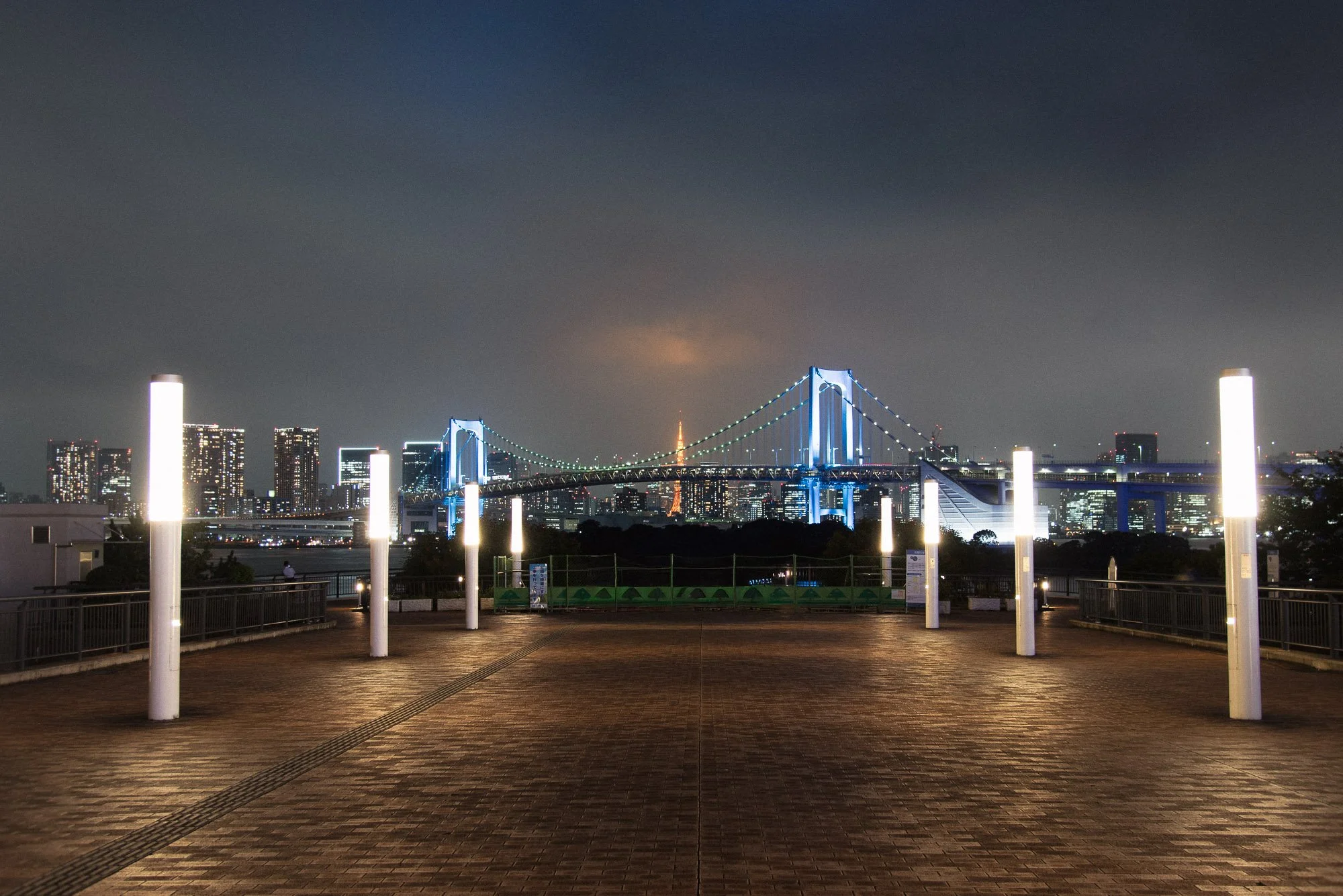
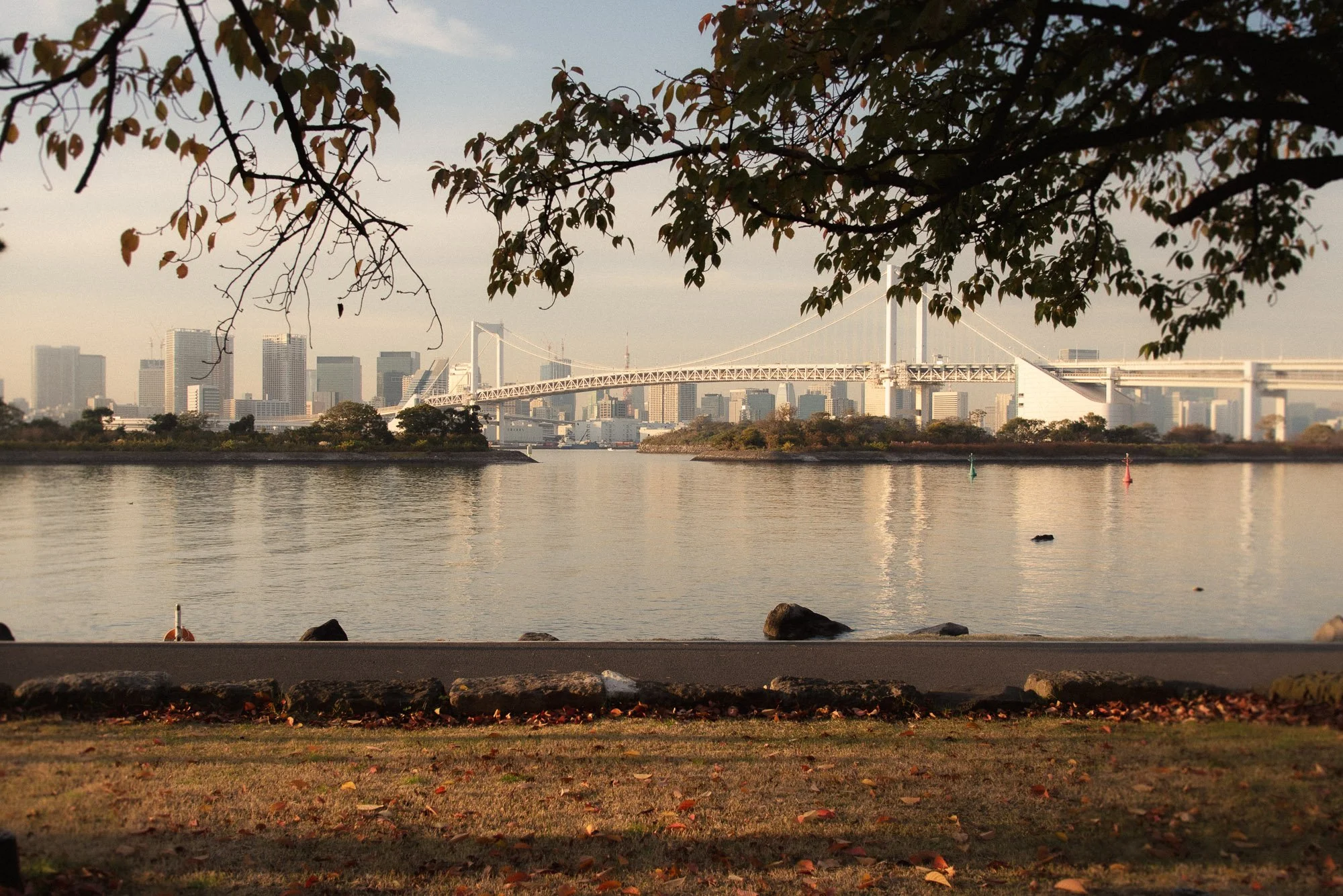
1. Odaiba Seaside Park
Why it works:
Wide open space, skyline views, (think the opening scene in Avengers End Game) and room to breathe — you’re unlikely to disturb anyone here.
Best time:
Golden hour into blue hour.
Respectful tip:
Avoid blocking joggers and cyclists on the waterfront paths.
Perfect for: Tokyo Prelude
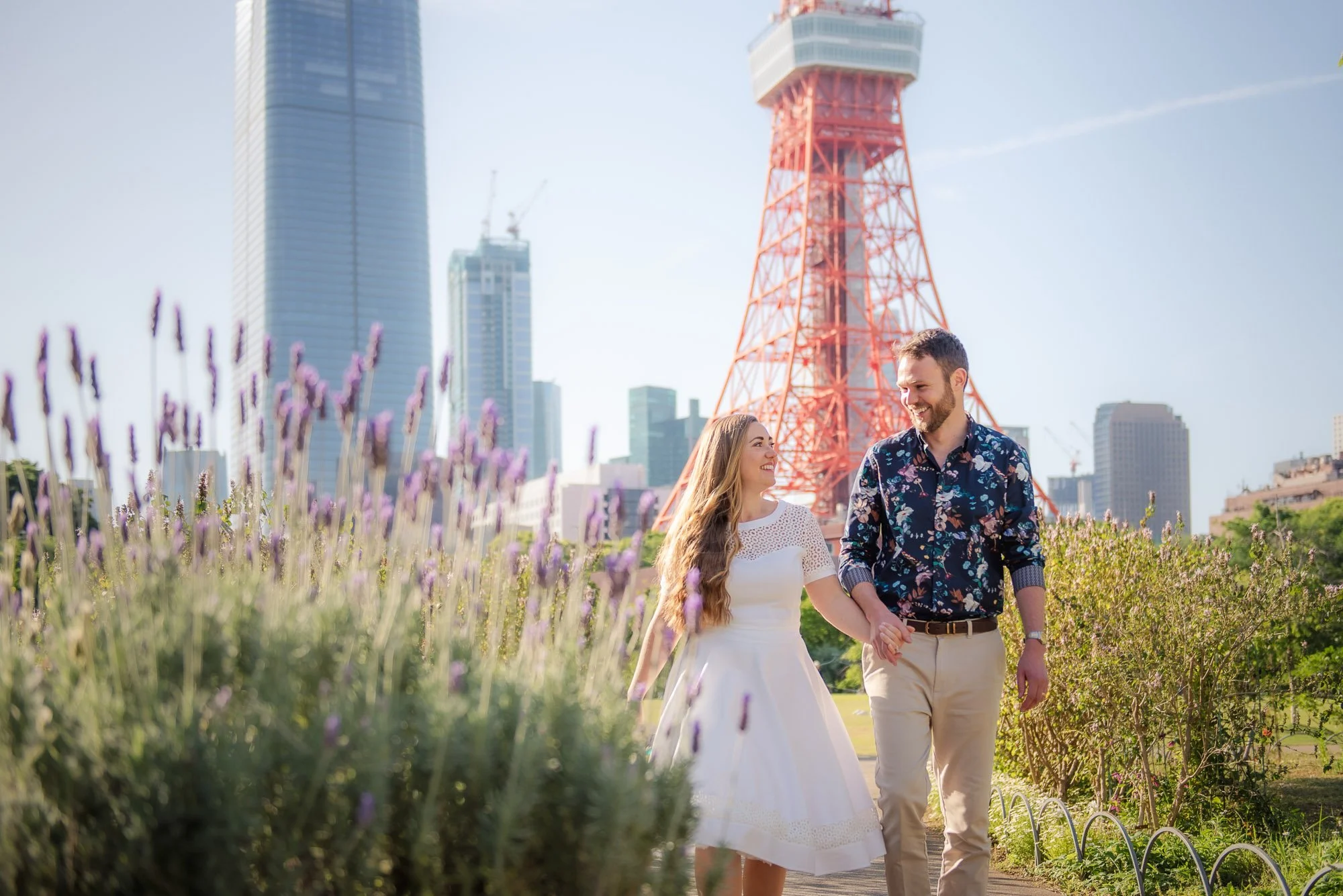
2. Shiba Park (Tokyo Tower Views - pictured at top of page)
Why it works:
Iconic views without the crowds at Zojo-ji. Locals use it for dog walks and picnics, and the atmosphere is relaxed.
Best time:
Early morning for clean, directional light.
Respectful tip:
Keep gear minimal and avoid shooting directly toward offices during peak work hours.
Perfect for: Tokyo Prelude or, depending on the season, Seasonal Experiences
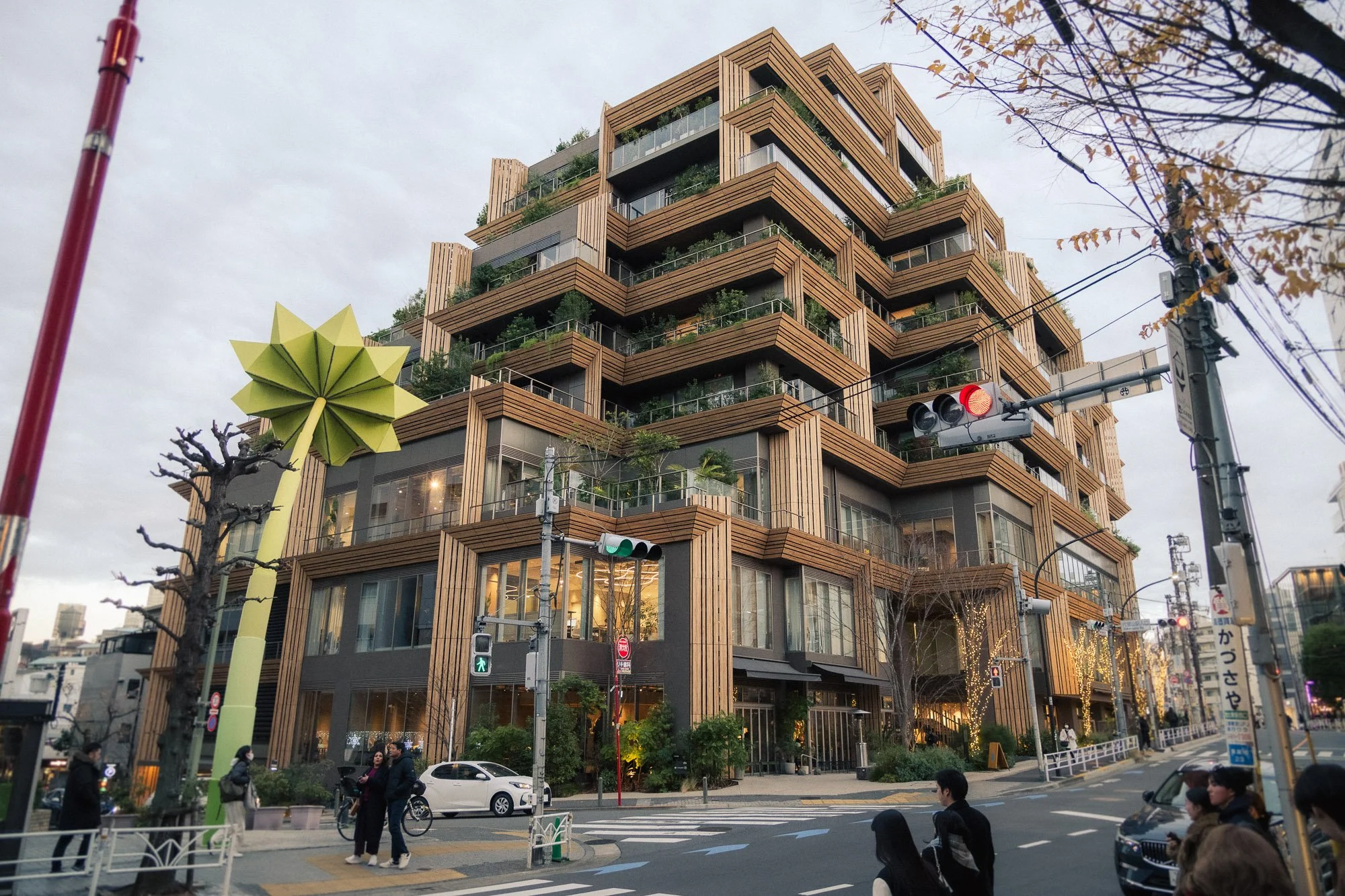
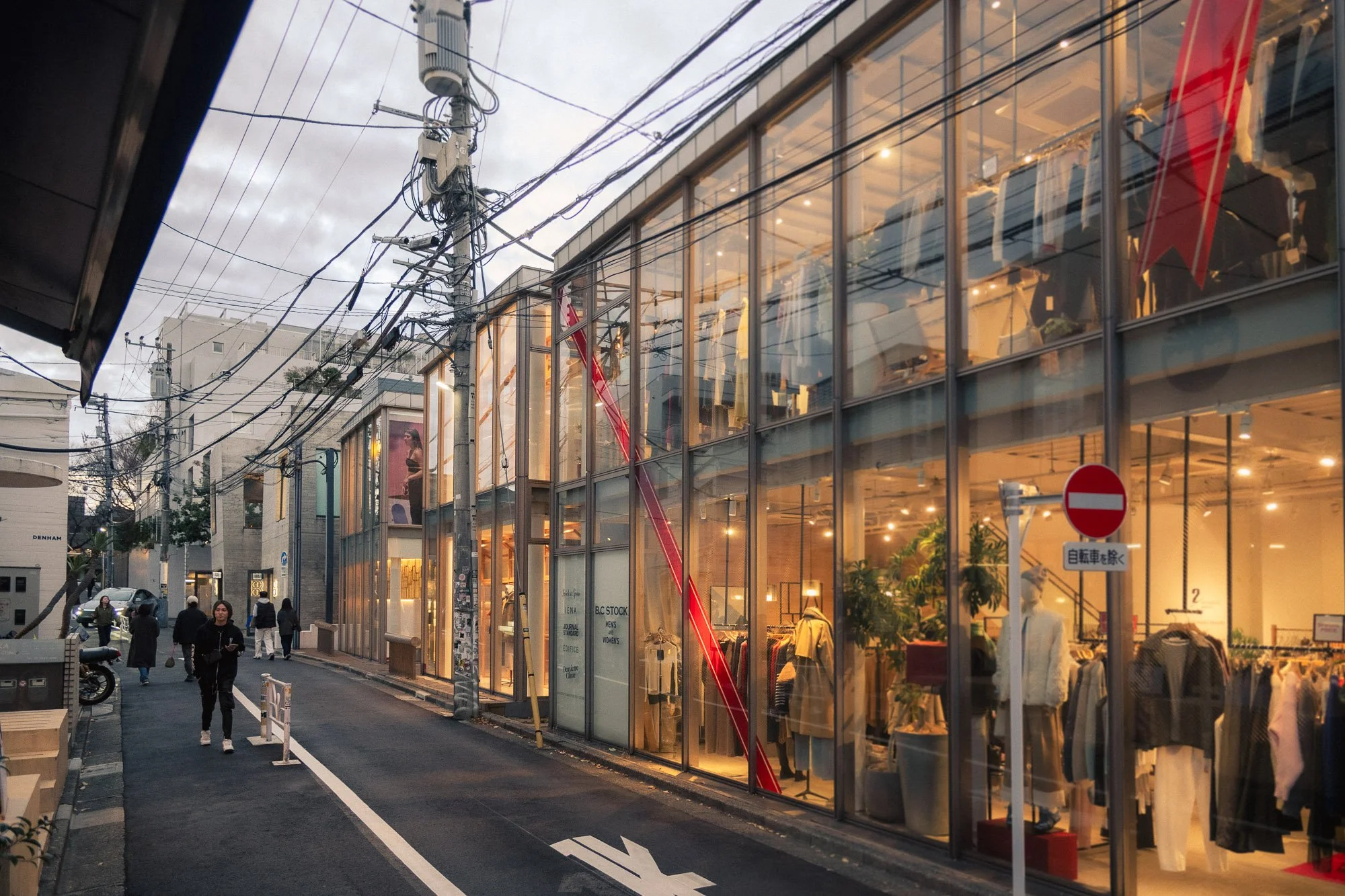
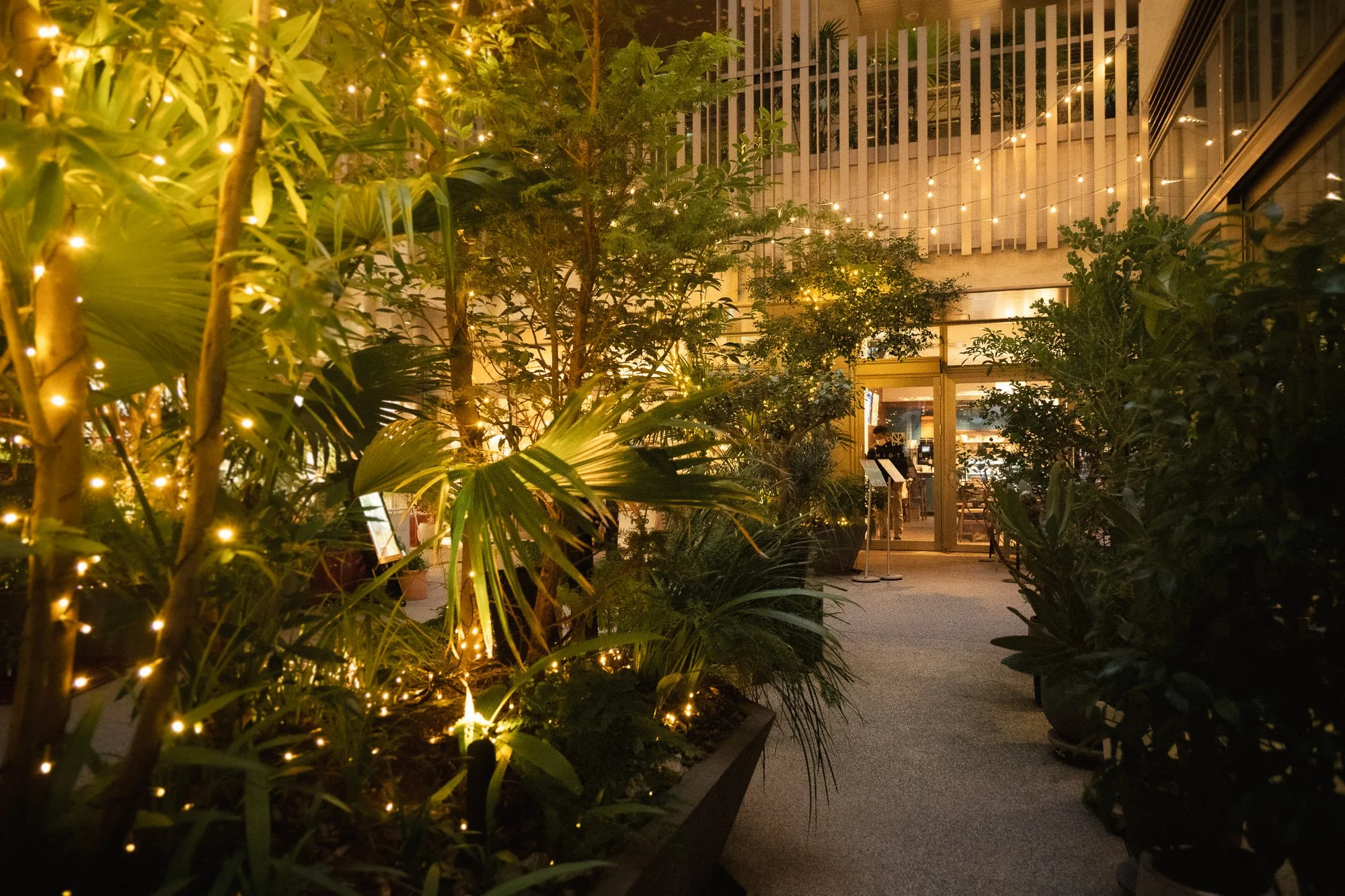
3. Daikanyama
Why it works:
Modern architecture, clean lines, and a polished neighbourhood feel. A great choice for visitors who want a calm alternative to Shibuya’s intensity.
Best time:
Weekdays — weekends get busy around cafés.
Respectful tip:
Be mindful around shopfronts and avoid blocking entrances.
Perfect for: Tokyo Prelude and for couples who want something a little be more niche.
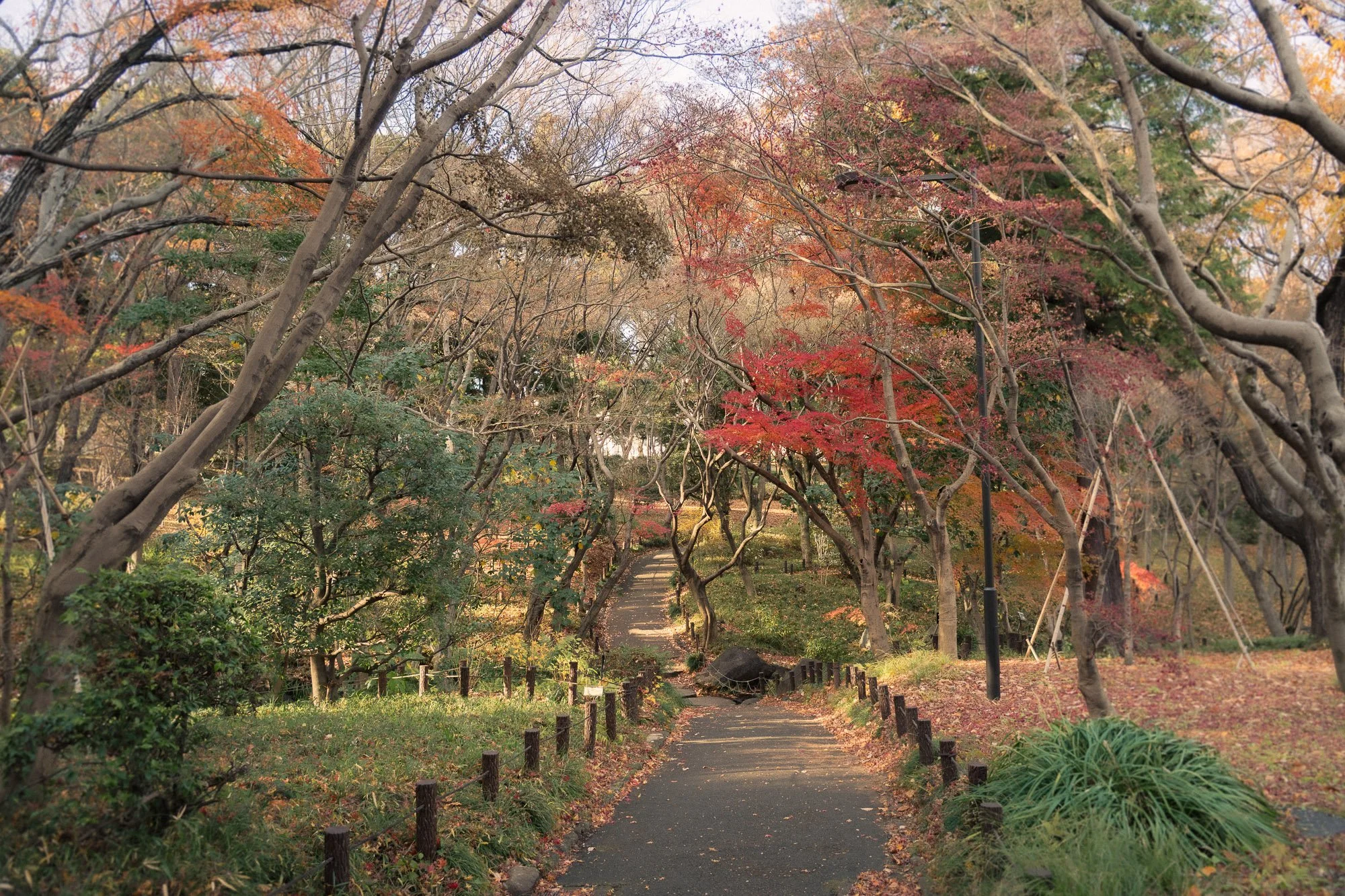
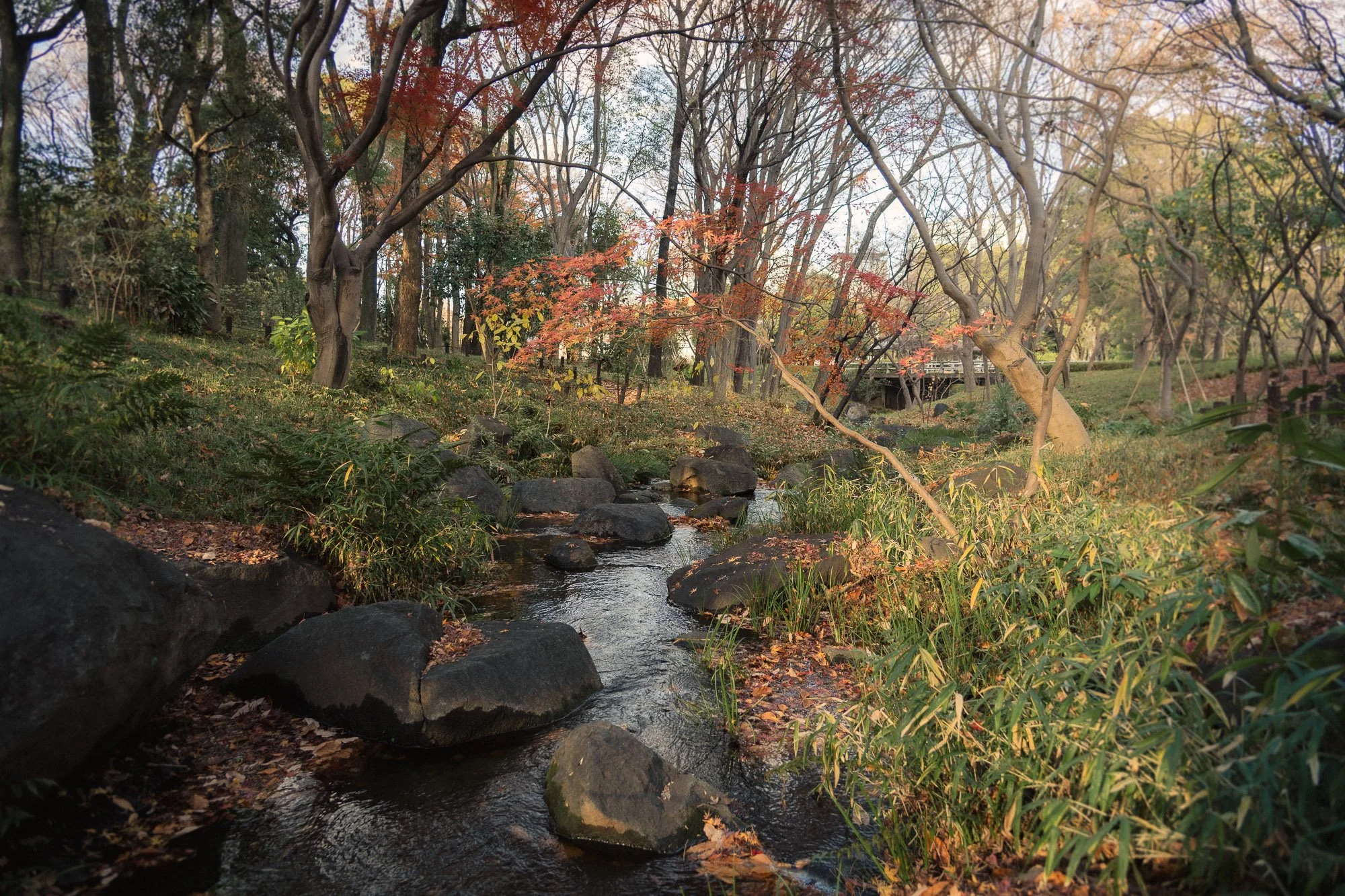
4. Kitanomaru Park
Why it works:
A spacious green space in central Tokyo with wide paths and seasonal colour. It’s one of the more relaxed areas for casual photography.
Best time:
Early morning or late afternoon.
Respectful tip:
Stay within designated areas and avoid stepping onto unmarked grass or garden edges.
Perfect for: Seasonal Experiences
5. Ginza (Early Morning)
Why it works:
Ginza at sunrise feels almost cinematic — empty streets, reflective facades, and soft light bouncing off glass and stone.
Best time:
Just after sunrise.
Respectful tip:
Keep an eye out for early deliveries and cleaning crews; step aside as needed.
Perfect for: Tokyo Prelude (never done this as a location, but would absolutely love to!)
Places I Avoid — And Why
Some famous locations aren’t suitable for stress-free or respectful photography, especially for visitors. Not because they aren’t beautiful, but because they’re overwhelmed or culturally sensitive:
Meiji Jingu — strict photography enforcement and constant foot traffic.
Yanaka — narrow residential lanes; locals are tired of influencer behaviour.
Koishikawa Korakuen — rule-heavy and inconsistently enforced.
Shinjuku Gyoen — rule heavy and strictly enforced
Meguro River during sakura season — wall-to-wall people, zero room to move.
Avoiding these spaces is not gate-keeping. It’s about showing respect for residents, visitors, and the cultural spaces we are fortunate to enjoy.
A Note on Location Scouting in Japan (and Why It’s Not as Simple as It Looks)
Even when rules seem clear on paper, photography permissions in Japan can be surprisingly complex. A recent experience I had while location scouting illustrates this perfectly.
At the entrance to a beautiful garden in Tokyo, a sign stated:
“Commercial photography OK with permission.”
Straightforward enough — or so it seemed.
When I asked a staff member how to obtain that permission, their reply was:
“If you are friends, yes, you may take photographs. But, if money exchanges hands, we will refuse permission.”
This directly contradicted the sign.
And it raised questions no one could answer:
Does “money exchanging hands” mean onsite or offsite?
Is a pre-paid session still considered professional?
What if the garden is only one stop on a longer shoot?
Does “professional” depend on equipment? Purpose? Appearance?
No clear process existed, despite the written signage. No clear answers were given…
This kind of ambiguity is common in Japan. Some gardens quietly tolerate photography unless a complaint is made; others enforce rules unevenly; some escort photographers out mid-shoot for reasons that were never posted.
It’s one of the reasons I do not publicly share my more sensitive locations. Not to withhold information, but to protect couples from interruptions — and to respect places where guidelines are unclear or culturally coded rather than formalised.
A Quick Tokyo Photography Etiquette Guide
If you’re planning photos in the city, a few common sense principles make all the difference:
Don’t block pathways.
Avoid shooting near private entrances or residential doors.
Stay off moss, gardens, and anything roped off.
Keep equipment light and unobtrusive.
If someone looks uncomfortable, move on without hesitation.
When in doubt, show you’re willing to step aside.
In Japan, respect isn’t just cultural — it’s practical. See more tips in my Tokyo couples photography guide.
Why I Choose Locations Carefully
Living in Japan since 2003 has shaped how I approach photography. My goal isn’t only to capture beautiful images, but to ensure that Tokyo remains a place where couples can be photographed without friction.
Many of my favourite spots require subtlety, timing, or positive relationships with staff and local communities — and those are locations I reserve for clients during our planning sessions.
The five places in this post are simply a starting point: low-impact, accessible, and suitable for visitors who want to capture Tokyo responsibly.
Want to Discover More Beautiful, Quiet Locations?
If you’d like help choosing a route based on your style, the season, or the atmosphere you want, I’d be happy to guide you. Some locations work best when matched to the couple and the season, so I introduce those during our planning calls rather than listing them publicly.
Feel free to reach out if you’d like to explore Tokyo in a way that feels authentic, relaxed, and respectful of the city.